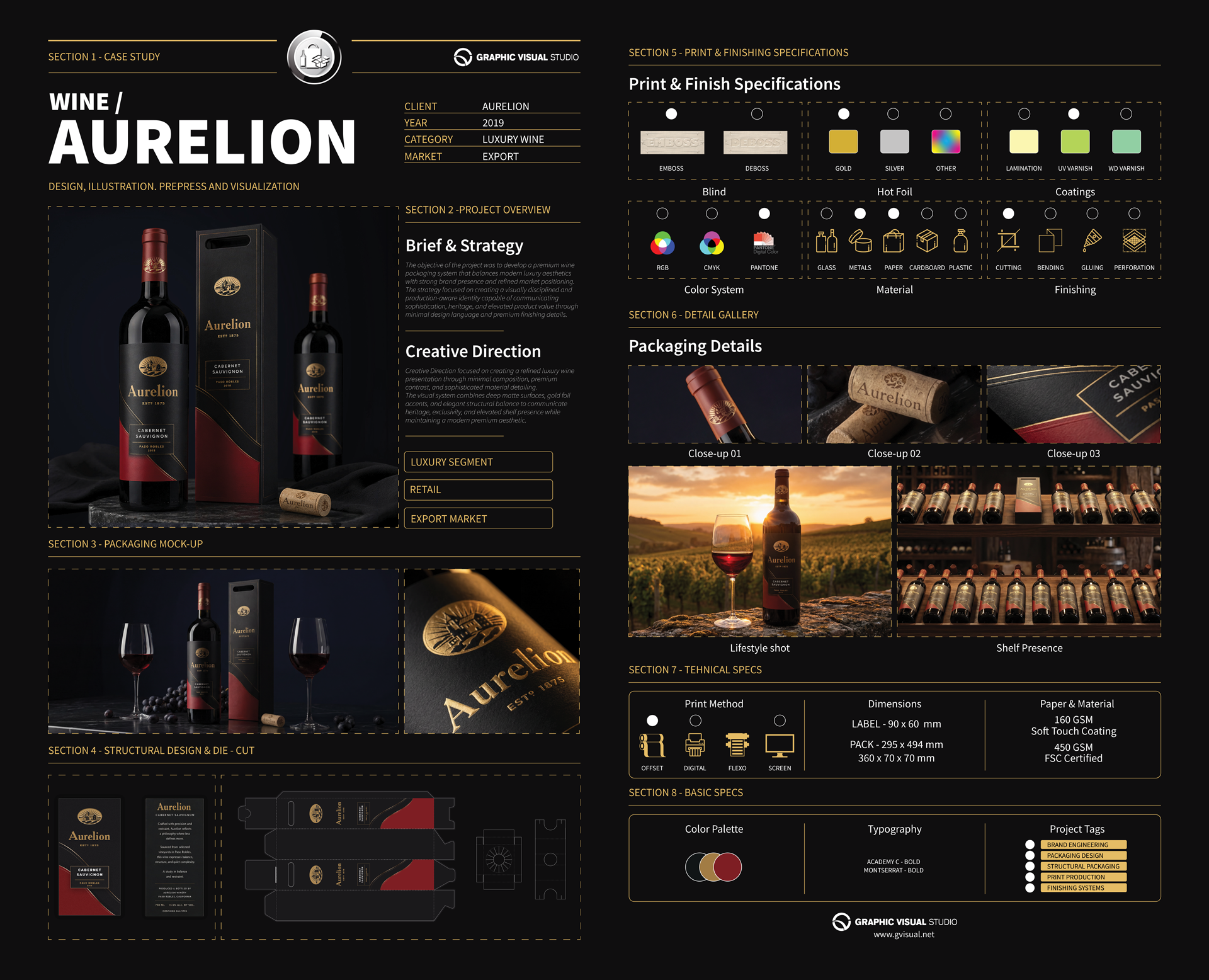
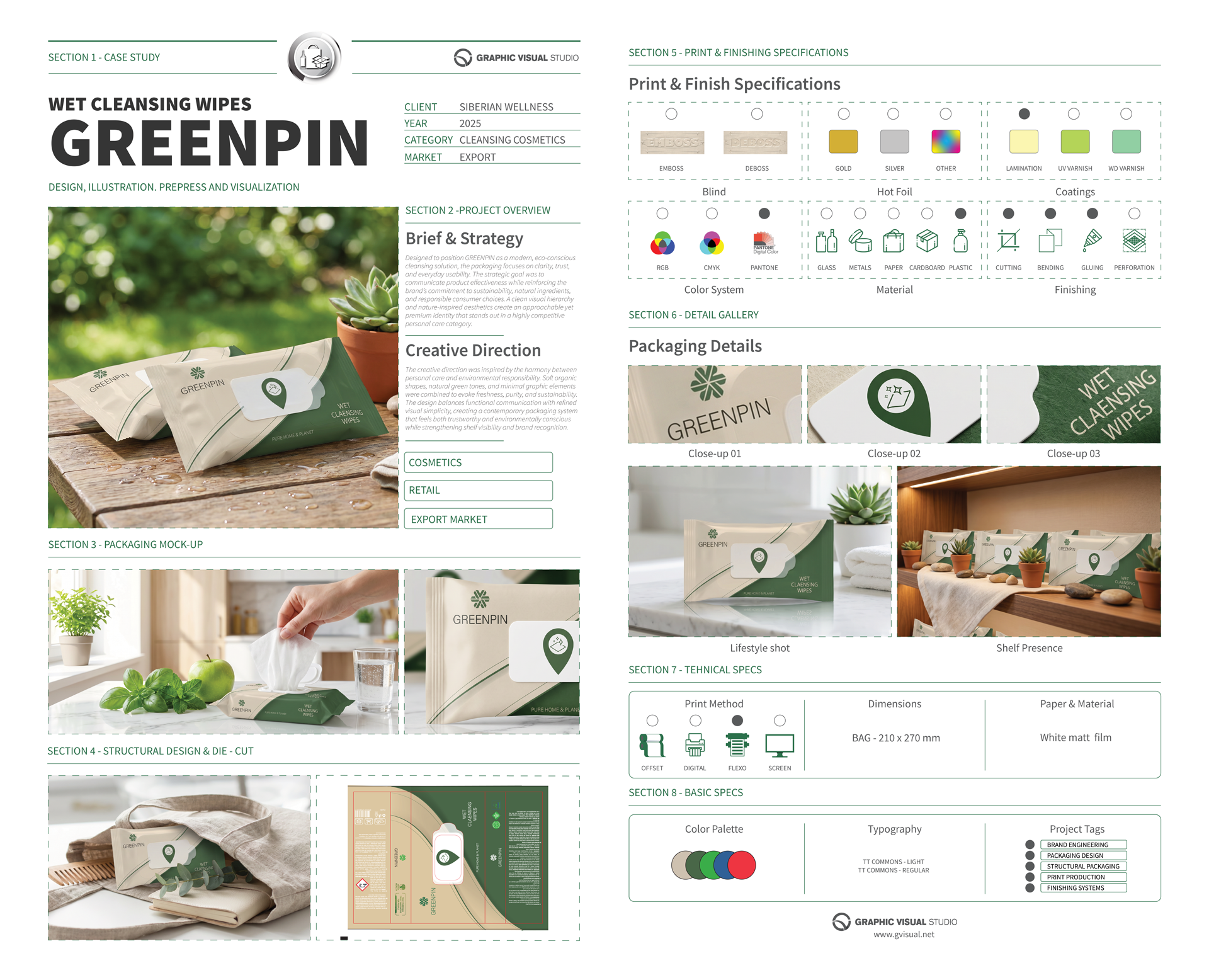
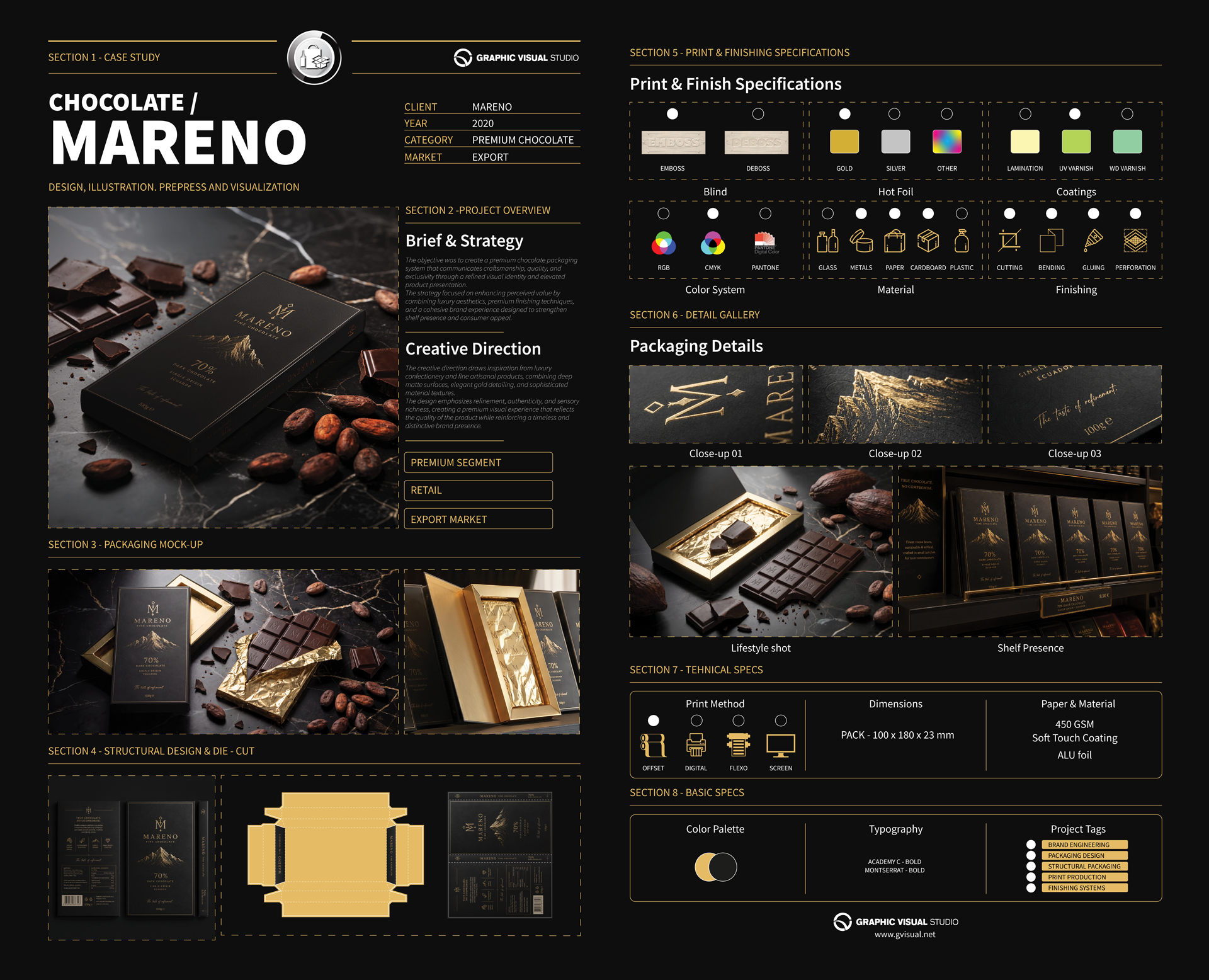
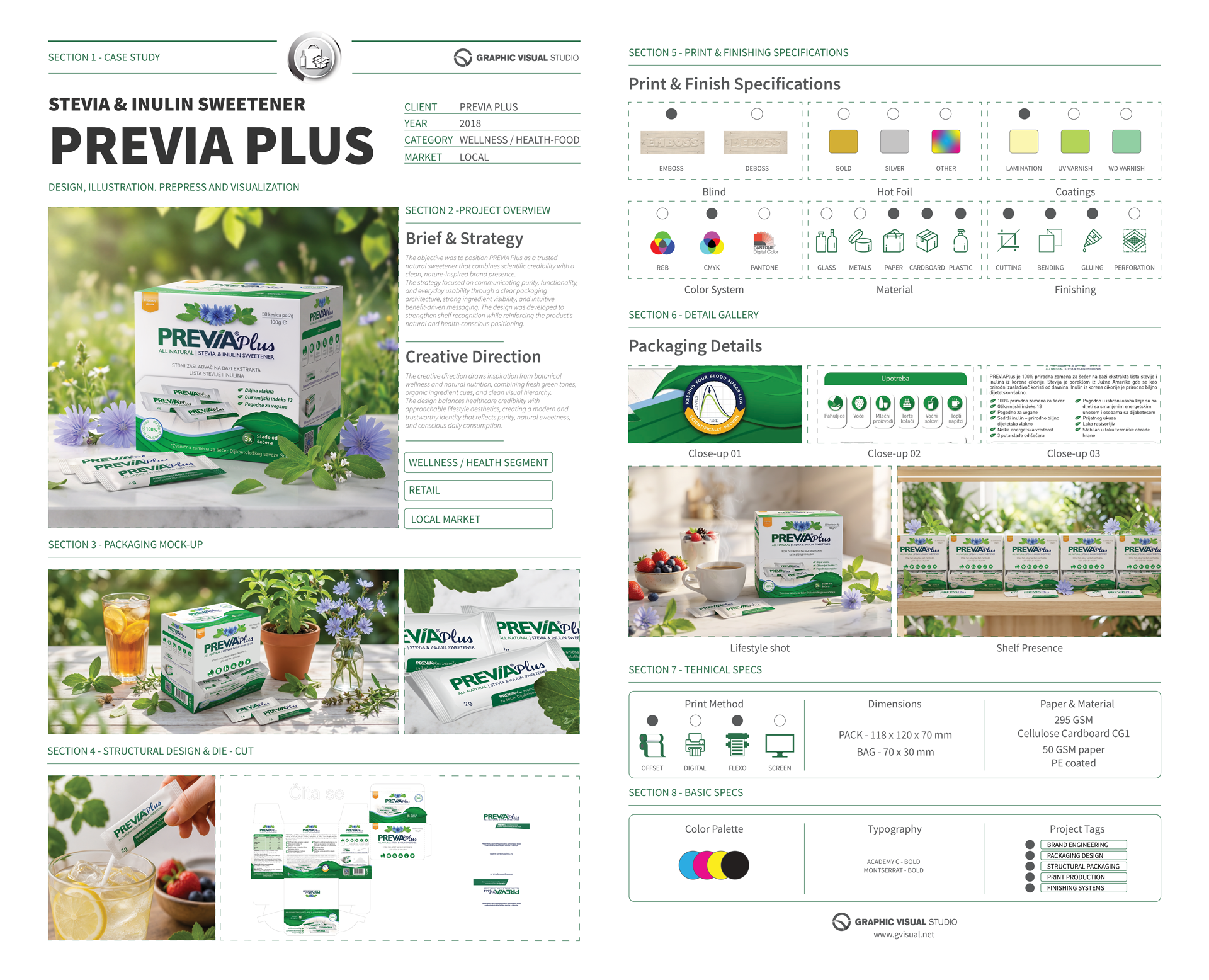
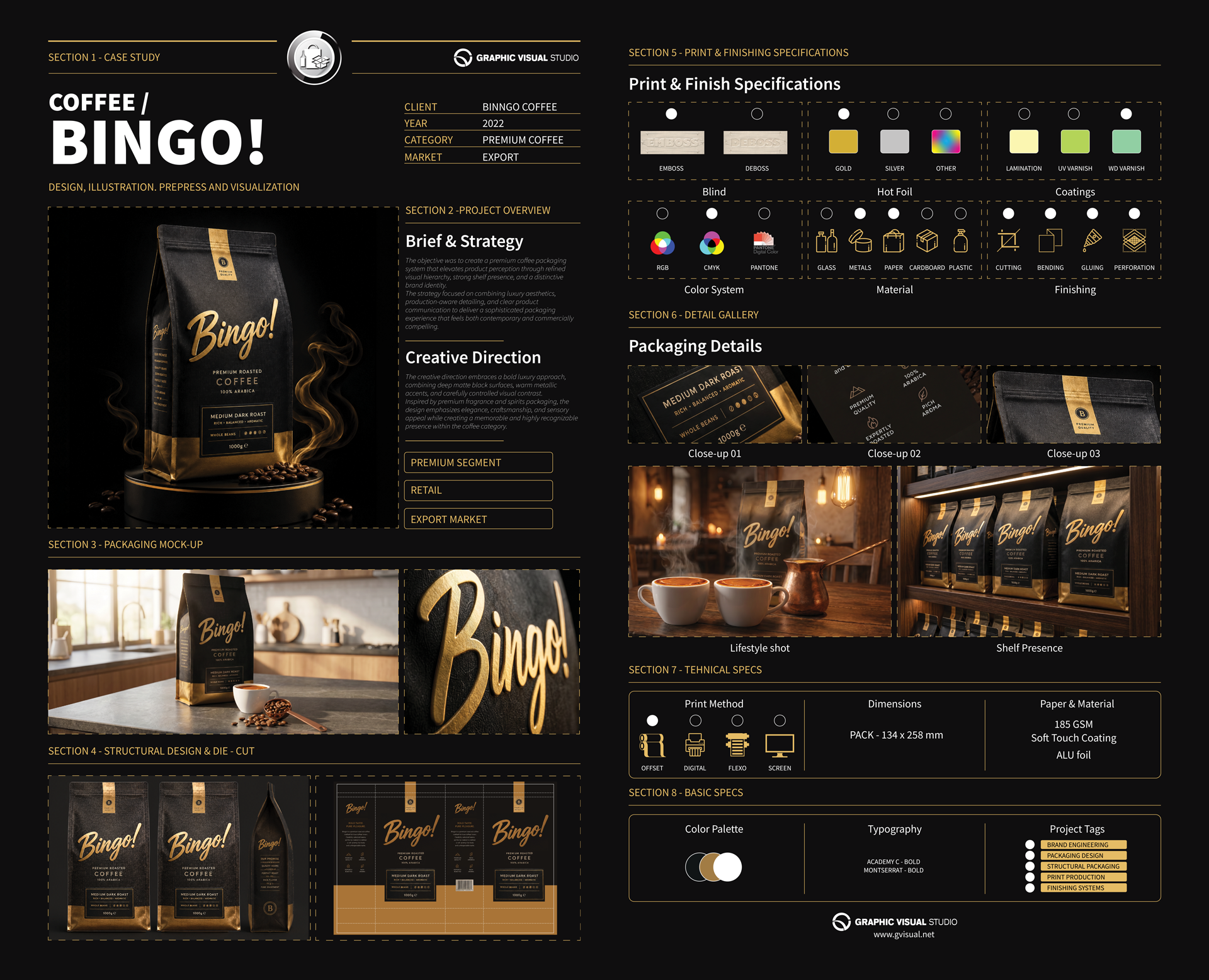
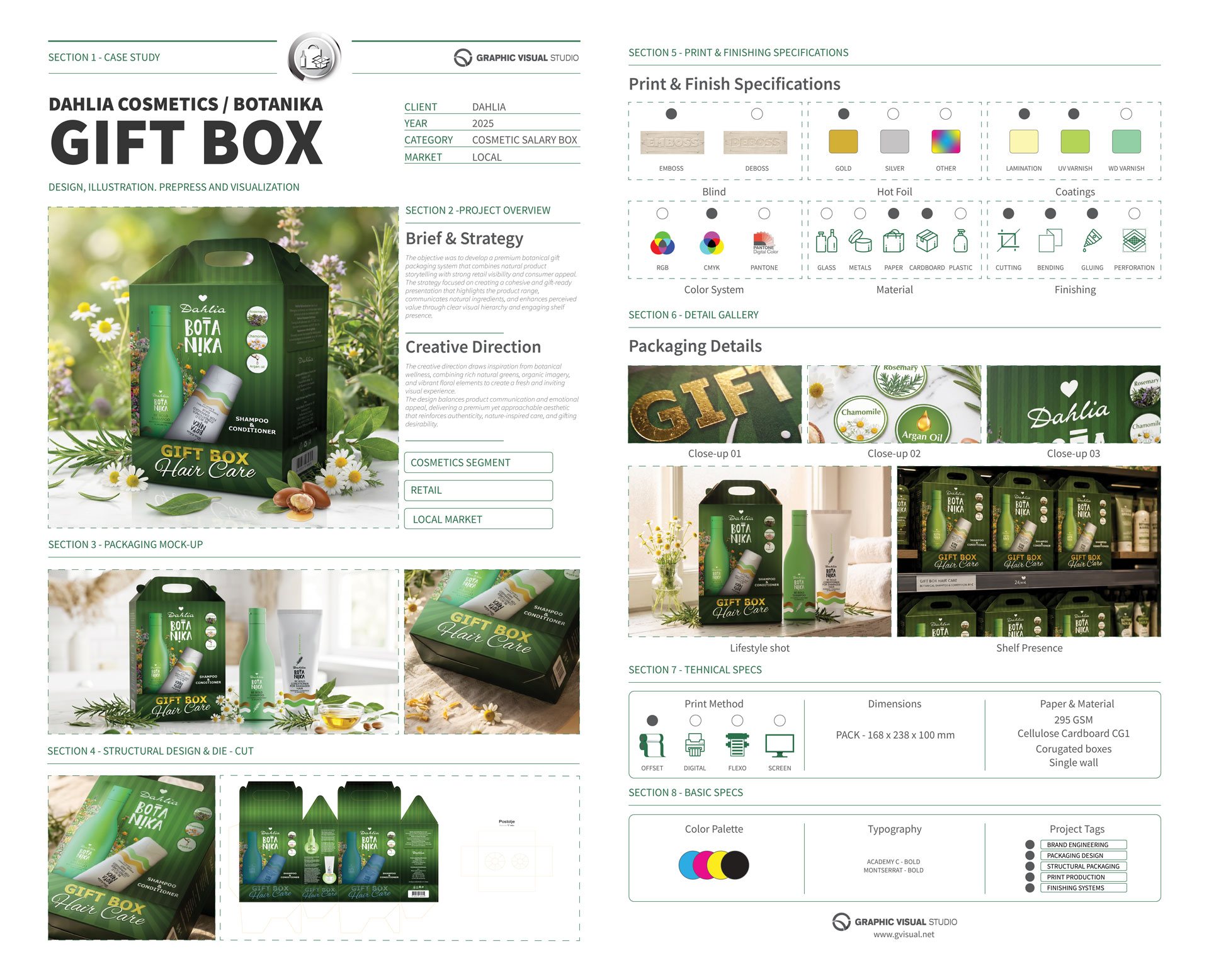
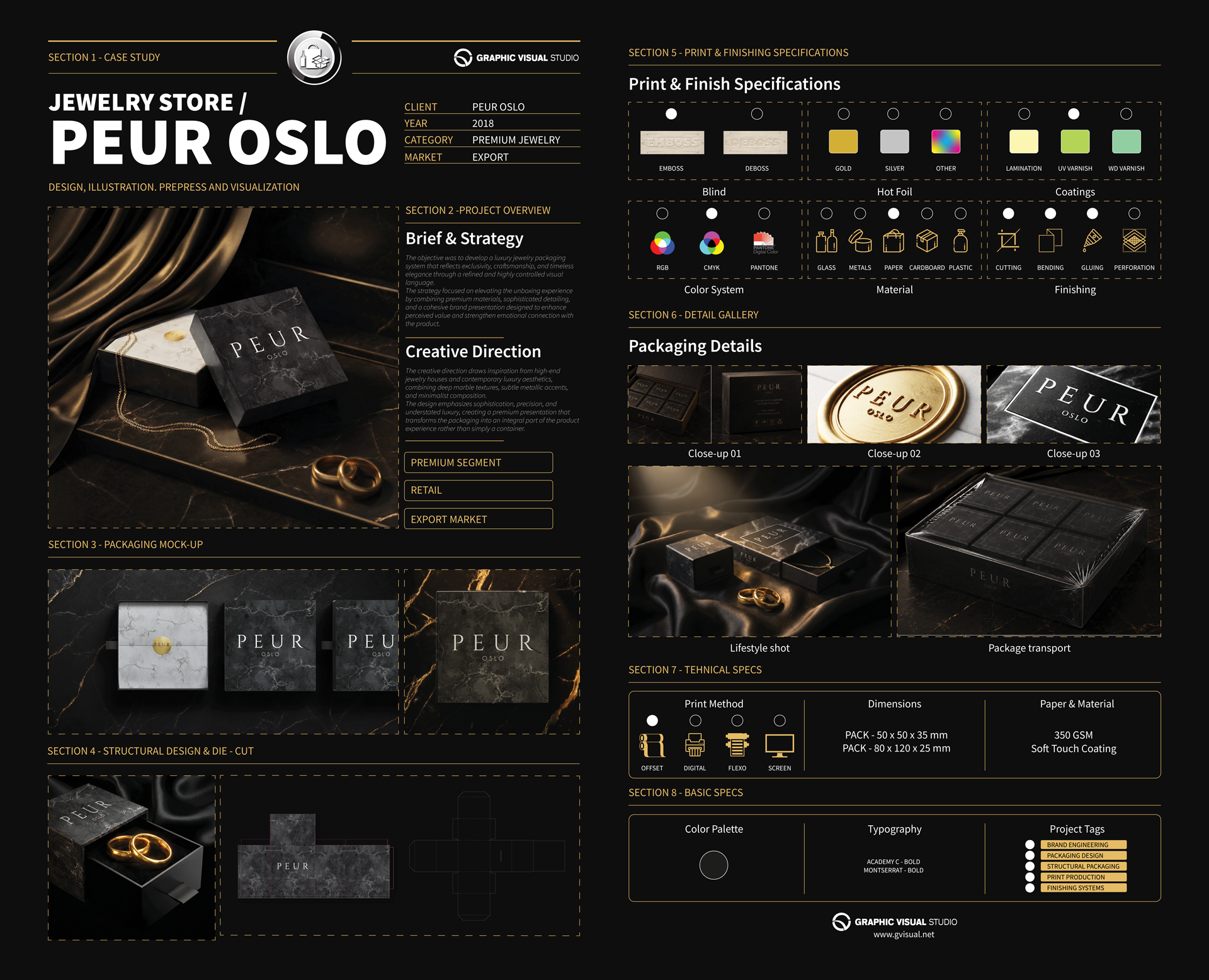
In the context of marketing, the statement “Every product needs to be packed” refers not only to the physical packaging of a product but also to the strategic role packaging plays in the marketing process. Here’s how packaging ties into marketing:
1. Brand Identity and Recognition
First Impressions Matter: Packaging is often the first interaction a customer has with a product. A well-designed package reflects the brand’s identity and values, helping the product stand out on the shelf and form an immediate connection with consumers.
Consistency: The packaging reinforces brand recognition by maintaining consistent design elements such as colors, fonts, logos, and imagery, which are essential for creating brand loyalty and trust.
2. Differentiation in a Competitive Market
Visual Appeal: In a crowded marketplace, packaging is a powerful differentiator. Unique, eye-catching packaging can grab attention, differentiate the product from competitors, and make it more likely to be purchased.
Standing Out: Creative packaging solutions, whether it’s through size, shape, material, or design, help a product stand out, making it memorable for consumers.
3. Consumer Perception and Emotional Connection
Perceived Value: High-quality packaging can increase a product’s perceived value, making consumers believe they are purchasing a premium item, even if the product itself is similar to others in the market.
Emotional Appeal: Packaging can evoke emotions that resonate with consumers. For example, eco-friendly packaging can appeal to environmentally conscious buyers, while luxurious packaging can trigger a sense of exclusivity.
4. Functional Aspects and Convenience
User Experience: Packaging also plays a role in how the product is experienced. For example, a well-designed box or bottle that’s easy to open, store, or reseal adds convenience and usability to the product, which can improve customer satisfaction and encourage repeat purchases.
Innovation: Packaging innovations, such as tamper-proof seals, portion-controlled servings, or multi-functional designs, can address consumer needs and contribute to a positive brand image.
5. Marketing Communication
Information Delivery: Packaging serves as a platform for communicating key product information. Through clear labeling, it can showcase the benefits, ingredients, instructions, or unique selling points (USPs) of the product. This helps guide consumers in their decision-making process.
Storytelling: Some brands use their packaging as a medium for storytelling—whether it’s about their history, the craftsmanship behind the product, or the ethical practices they follow, such as using sustainable materials or supporting a cause.
6. Sustainability as a Selling Point
Eco-Friendly Trends: With growing awareness of environmental issues, many consumers are drawn to products that come in sustainable, recyclable, or biodegradable packaging. Brands can leverage this shift by incorporating eco-conscious packaging to appeal to socially responsible consumers.
Brand Loyalty: Ethical and environmentally friendly packaging can create deeper customer loyalty, particularly among younger, sustainability-conscious generations.
7. Impulse Buying and Shelf Impact
Shelf Impact: The design of the packaging is critical in a retail environment where consumers often make snap decisions. Packaging that is distinctive or visually appealing can trigger impulse buys.
Call to Action: Packaging may include calls to action or promotions (such as discounts, limited editions, or giveaways) that encourage immediate purchase.
8. Target Audience Alignment
Demographics and Psychographics: Packaging can be tailored to resonate with specific target audiences. For example, bright, fun designs might appeal to younger, energetic consumers, while sleek, minimalist packaging may attract professionals or higher-end buyers.
Cultural Considerations: Packaging can also reflect cultural preferences and values, making it more appealing to specific regional or global markets.
Conclusion
In marketing, packaging goes beyond just being a physical container—it becomes a strategic tool that plays a critical role in product positioning, differentiation, communication, and even customer loyalty. Effective packaging can make the difference between a product that catches the eye and one that gets overlooked, driving both sales and brand recognition.
Absolutely! Packaging design is an integral part of a product’s identity. It’s not just about holding the product; it’s about telling a story, establishing brand recognition, and influencing consumer choices. As you mentioned, consumers make quick judgments, and the packaging is often the first interaction with the product. Those first few seconds are crucial, and a standout design can make all the difference.
High-quality packaging design not only catches the eye but also communicates important brand values, whether it’s sustainability, luxury, or innovation. A visually appealing and thoughtful design helps to create an emotional connection with the consumer, encouraging trust and even loyalty.
In a crowded marketplace, where consumers are bombarded with choices, a unique and creative design sets a product apart. It works as a silent salesperson, conveying the brand’s message and identity in a fraction of a second. Whether it’s the elegant simplicity of a premium product or the fun, playful nature of a brand aimed at a younger demographic, packaging does much more than just “contain” the product—it elevates it.
So, yes, packaging is not just the wrapper; it’s the first step in product marketing, brand identity, and consumer decision-making.
By staying aligned with modern trends, you’re ensuring that your designs are not only functional but also visually appealing and in tune with current consumer preferences. Offering a range of packaging solutions—like bags, folding boxes, exclusive packaging, and more—ensures that you can meet the unique needs of various products and industries.
Here’s how each element of your packaging design services can make a difference:
Bags – Flexible and convenient, perfect for products that require portability or unique branding. Packaging bags with modern materials and design elements can create a strong brand identity and protect the product inside.
Folding Boxes – These are versatile and cost-effective solutions. With the right design, folding boxes can be customized to fit different shapes, sizes, and branding needs while also providing protection and a premium feel.
Exclusive Packaging – Unique, high-end packaging sets your product apart in a competitive market. This kind of design often includes innovative materials or artistic touches that communicate luxury and exclusivity.
Packaging Products – Packaging is a key element in product safety and presentation. Offering a variety of packaging types ensures that products from various industries—whether fragile or bulkier—are perfectly protected.
Boxes – From shipping to retail display, boxes are essential for many products. Design plays a major role in making these boxes both functional and aesthetically pleasing, which helps in brand recognition.
Labels – Simple yet effective, labels are a powerful tool for conveying product information and brand identity. Creative label design can make a product stand out on crowded shelves and enhance its appeal.
Bottles and Tubes – These packaging formats are commonly used for liquid and semi-liquid products (such as beverages, cosmetics, or pharmaceuticals). The right bottle or tube design helps with user experience and communicates product quality.
Packaging Dielines – The dieline is the blueprint for your packaging, ensuring that the design fits perfectly with the production process. A well-crafted dieline is essential for efficient and accurate manufacturing.
Mockups – Before going into production, mockups allow you to visualize how your packaging will look in the real world. This step helps refine design choices and ensures the final product is exactly what you envision.
By offering all of these services, you’re not only helping create packaging that is functional but also strategically designed to enhance the overall product experience and promote brand recognition. Your solutions can make a significant impact on a product’s marketability and consumer appeal.